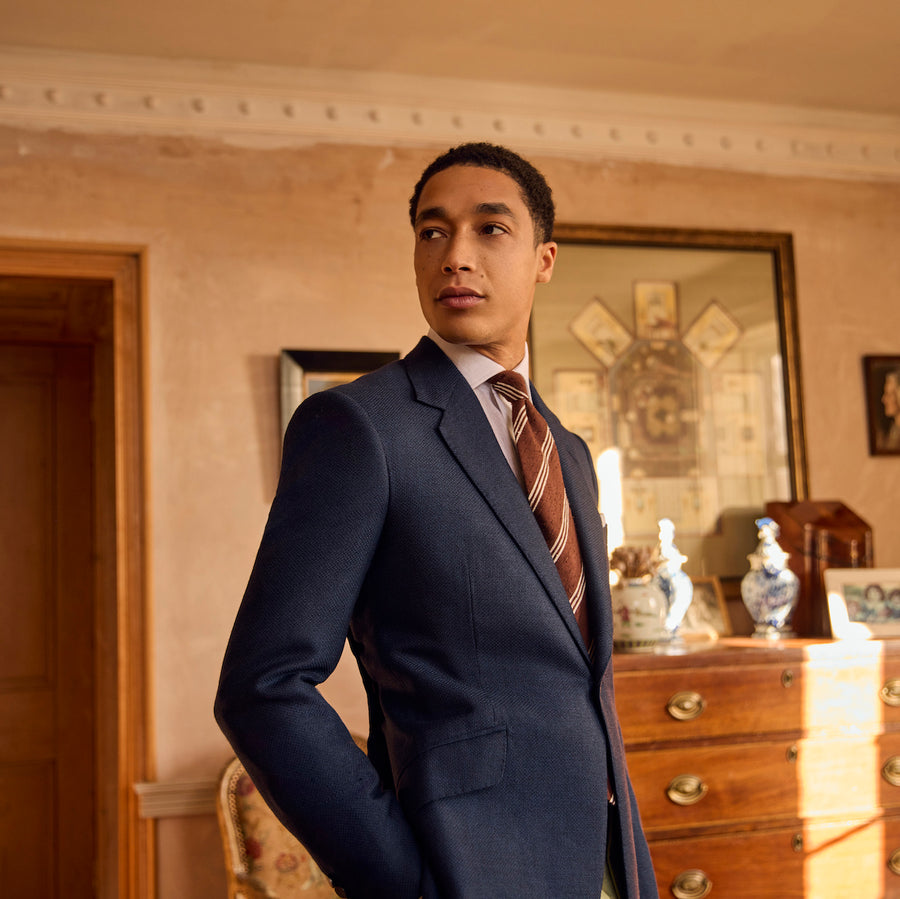

The Huntsman Style Guide
Morning Wear
Morning wear is the most formal expression of day dress, reserved for occasions of ceremony and lasting significance. Second only to White Tie in the hierarchy of traditional attire, its distinction lies in the precision of its conventions: every element, from coat to collar, governed by considered protocol. To dress correctly in morning wear is both a discipline and an art. By custom, it is appropriate for engagements commencing before five o'clock in the afternoon.
Should an invitation specify morning dress, it calls for a standard equal to the scrutiny of the most discerning company. Whether attending a wedding, stepping into the Royal Enclosure at Ascot, or marking Derby Day, a properly cut morning coat is not merely correct, it is an enduring cornerstone of the formal wardrobe.
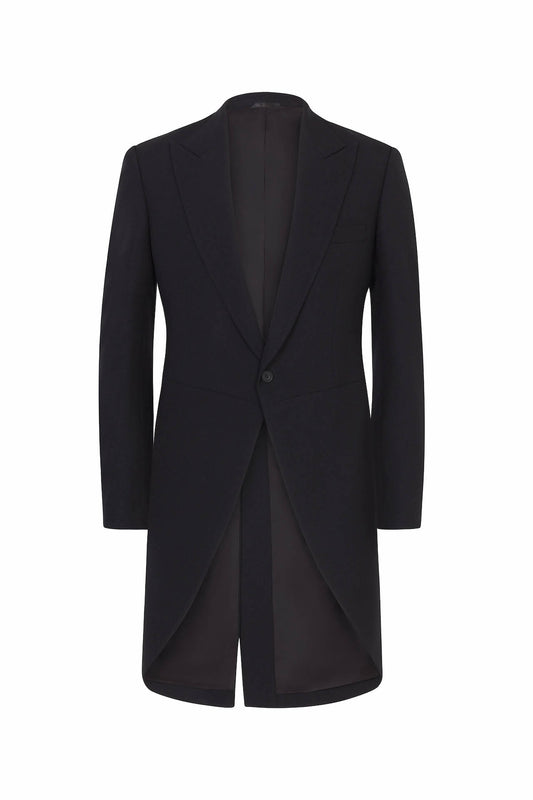
Black Wool Single Breasted Morning Coat
Regular price
£2,850.00
Regular price
Sale price
£2,850.00
Unit price
per
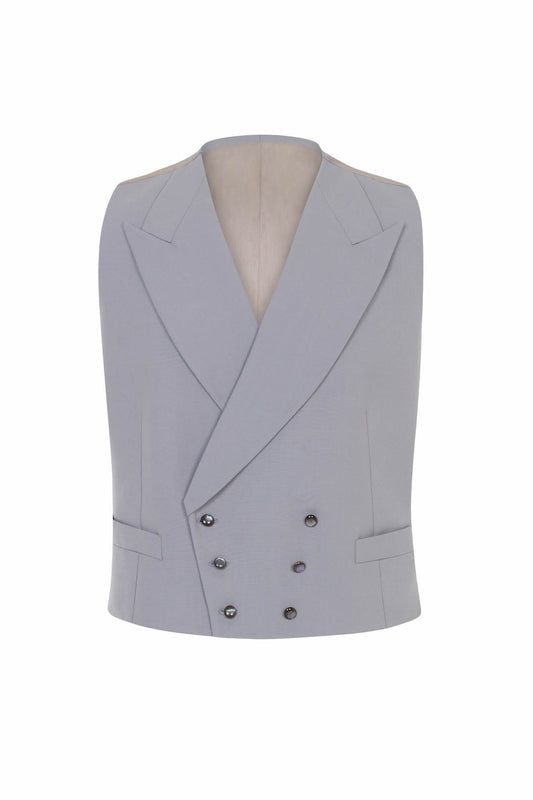
Grey Wool Double Breasted Morning Vest
Regular price
£750.00
Regular price
Sale price
£750.00
Unit price
per

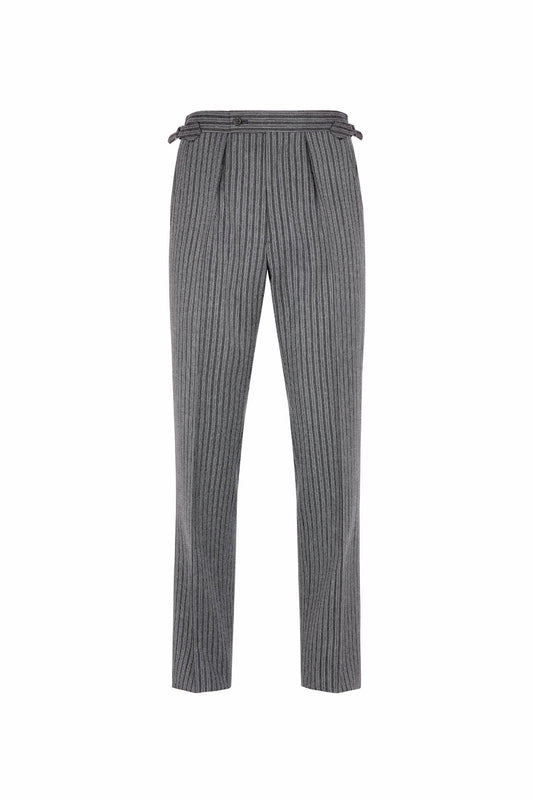
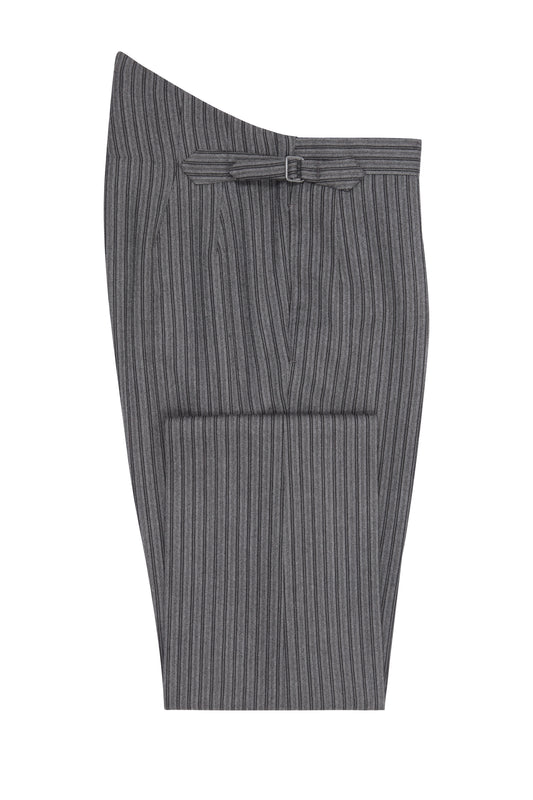
Grey Wool Stripe Morning Trousers
Regular price
£950.00
Regular price
Sale price
£950.00
Unit price
per
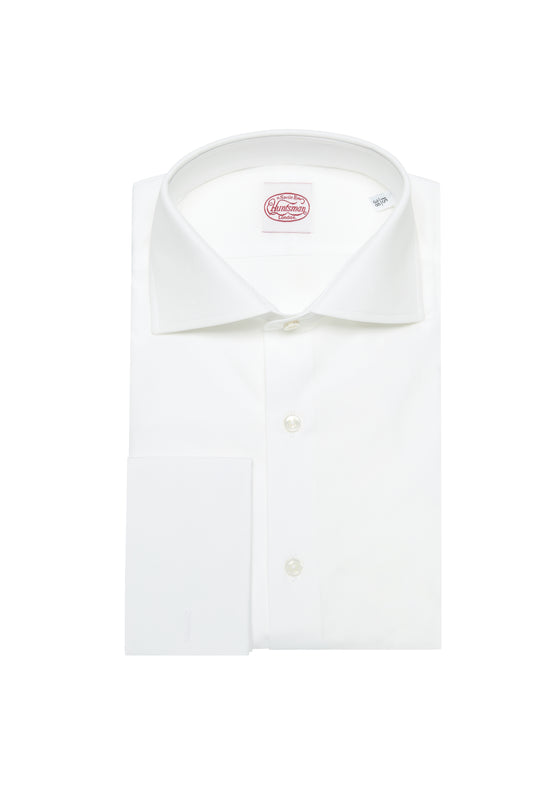
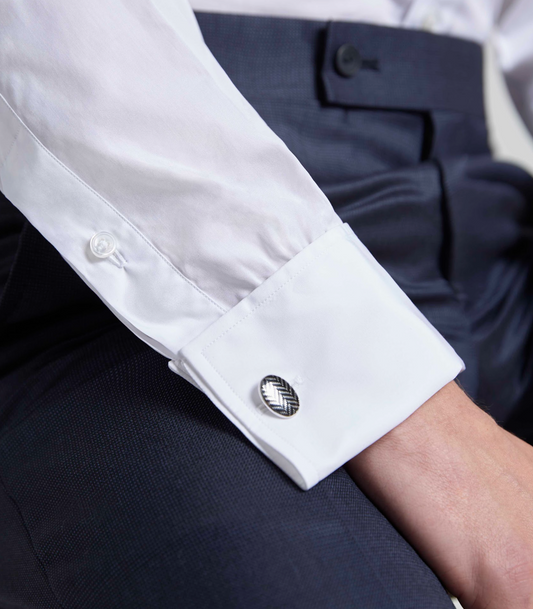
White Cotton Double Cuff Shirt
Regular price
£280.00
Regular price
Sale price
£280.00
Unit price
per
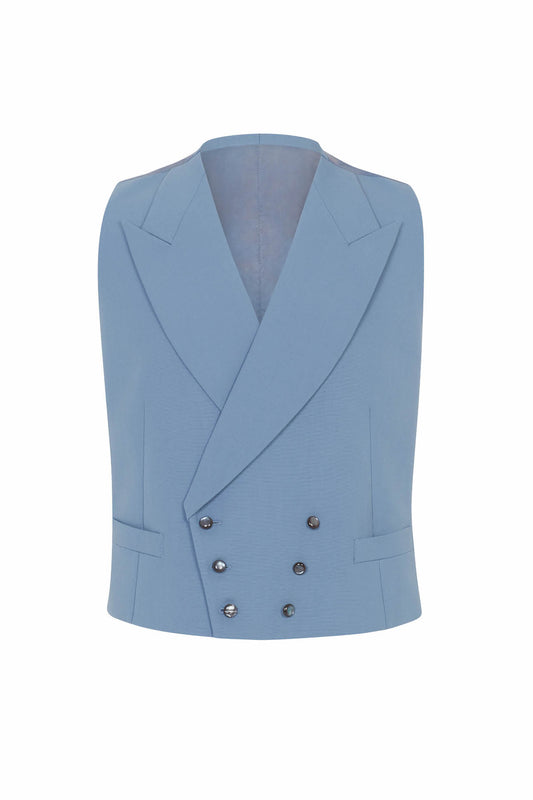
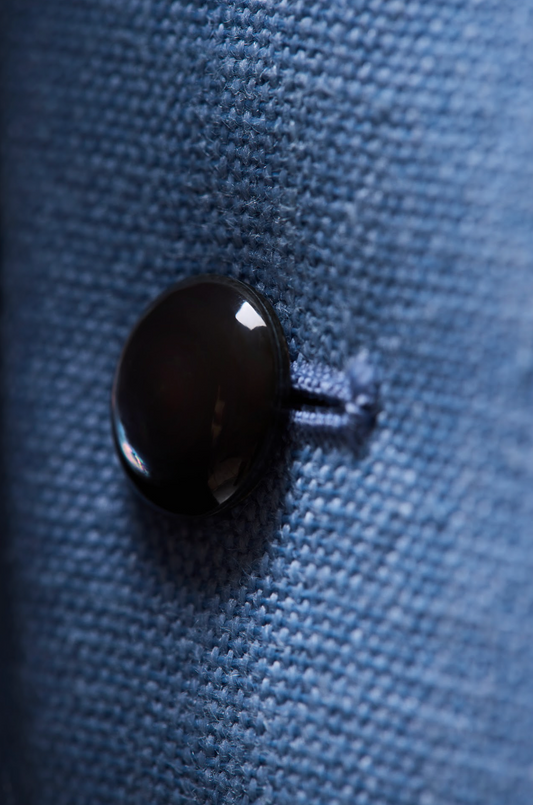
Blue Wool Double Breasted Morning Vest
Regular price
£750.00
Regular price
Sale price
£750.00
Unit price
per
Regular price
£185.00
Regular price
Sale price
£185.00
Unit price
per
 Colour options
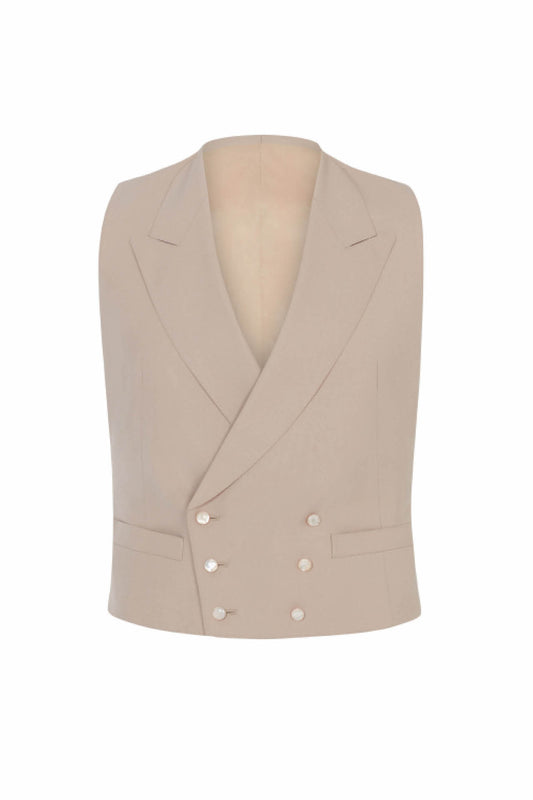
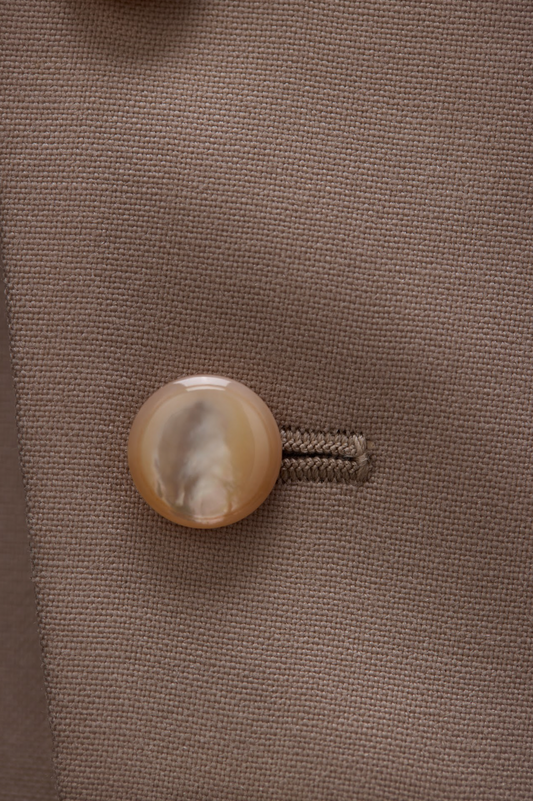
Sand Wool Double Breasted Morning Vest
Regular price
£750.00
Regular price
Sale price
£750.00
Unit price
per
Regular price
£185.00
Regular price
Sale price
£185.00
Unit price
per
 Colour options
The Morning Coat
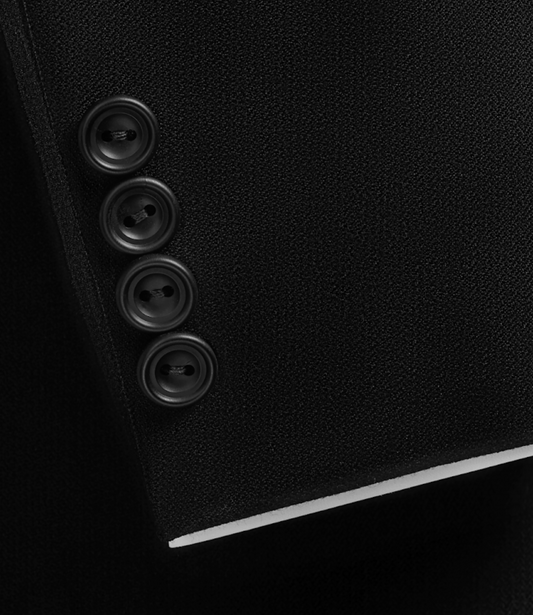
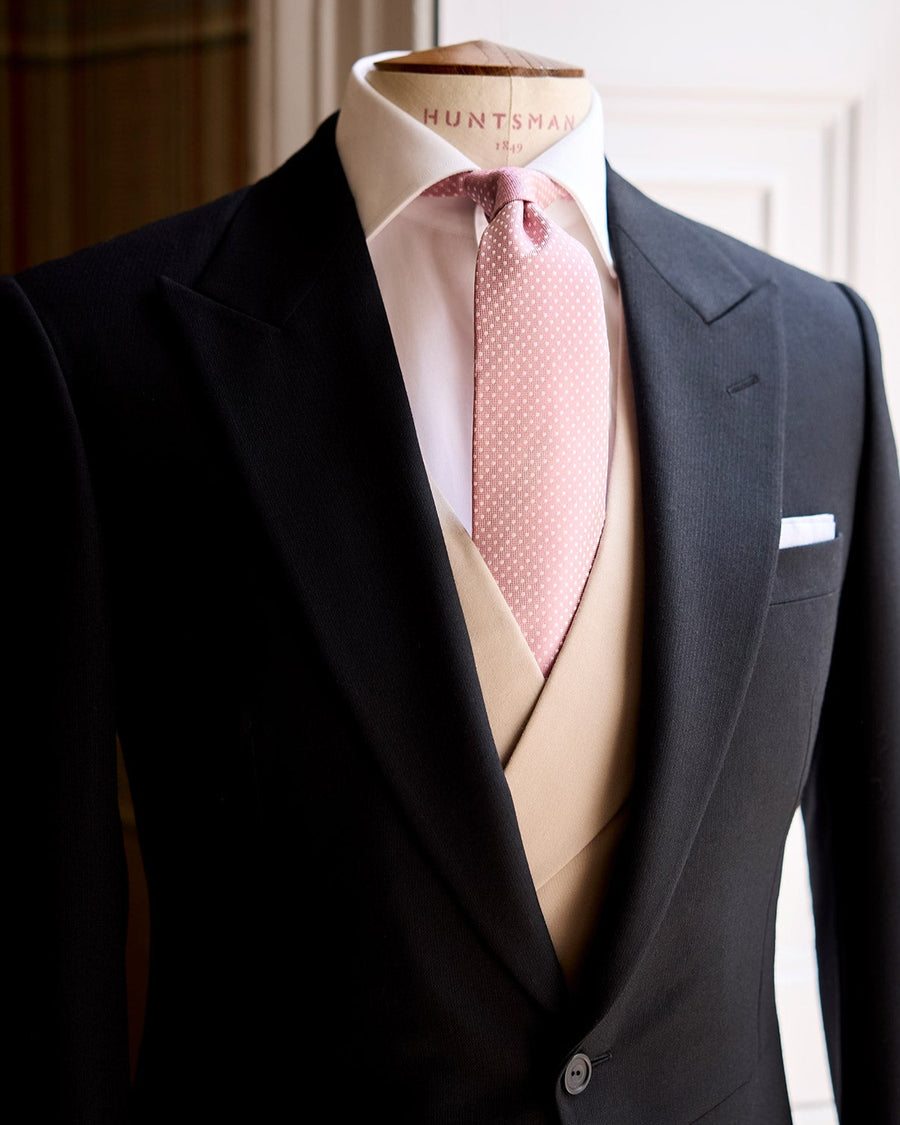
The morning coat is single-breasted with peaked lapels, fastened with a single button, a silhouette defined by its restraint and proportion. A classic black feather weave brings subtlety and depth to the cloth, its quiet texture a mark of considered formality. Its power lies in adherence to the classic form: a design that, when respected, produces a coat of enduring elegance.
For those seeking a more contemporary interpretation, the grey three-piece offers an equally distinguished alternative, particularly well suited to the less formal occasion. Long favoured by those with an instinctive eye for elegance, Gregory Peck among them, it remains one of the most refined choices a gentleman can make.

The Cashmere Trouser
A cashmere stripe trouser remains the definitive companion to the black morning coat, a darker stripe for formal occasions, a lighter for the celebratory.
For a more contemporary pairing, consider the small houndstooth trouser, a quietly distinctive choice that brings individuality to morning dress without compromising its formality.

The Waistcoat
Whether single or double-breasted is entirely a matter of personal preference. A barathea or linen waistcoat in a plain block colour is invariably preferable to brocades or printed silks, it lends a polished simplicity that morning dress rarely asks to exceed. For those wishing to add a finishing flourish, dress slips, a detachable Marcella cotton edging, offer a subtle but distinguished detail.

The Silk Necktie
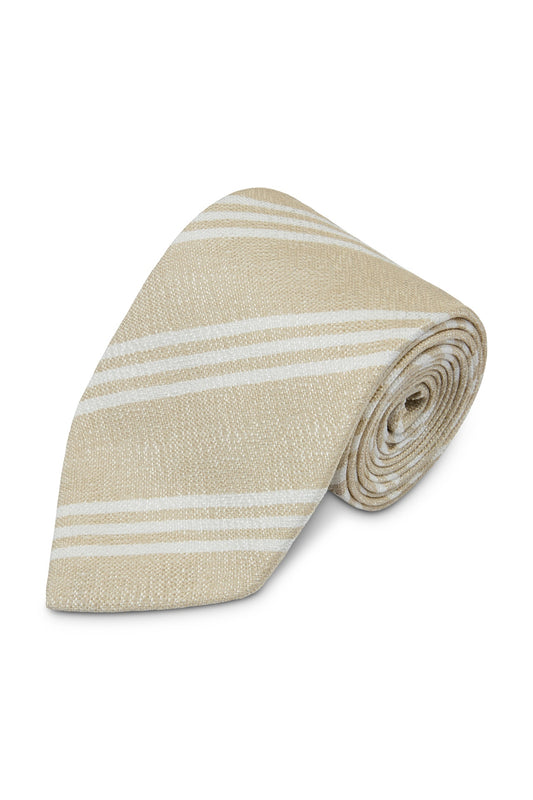
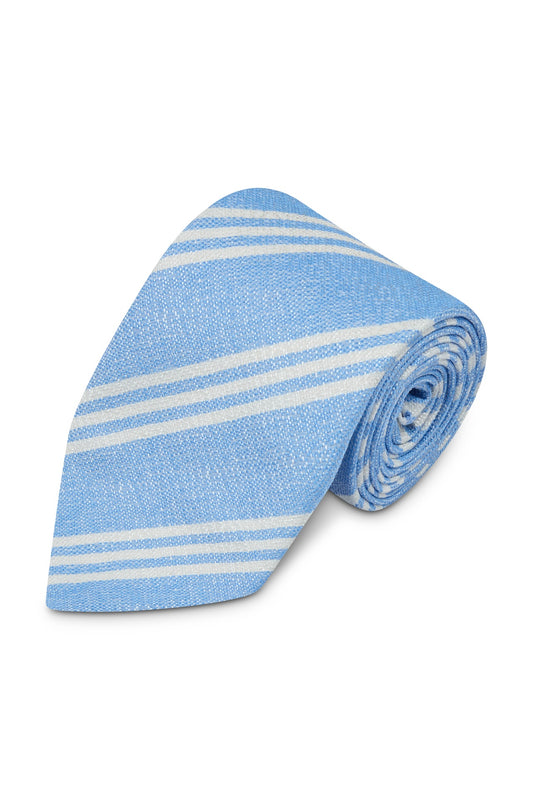
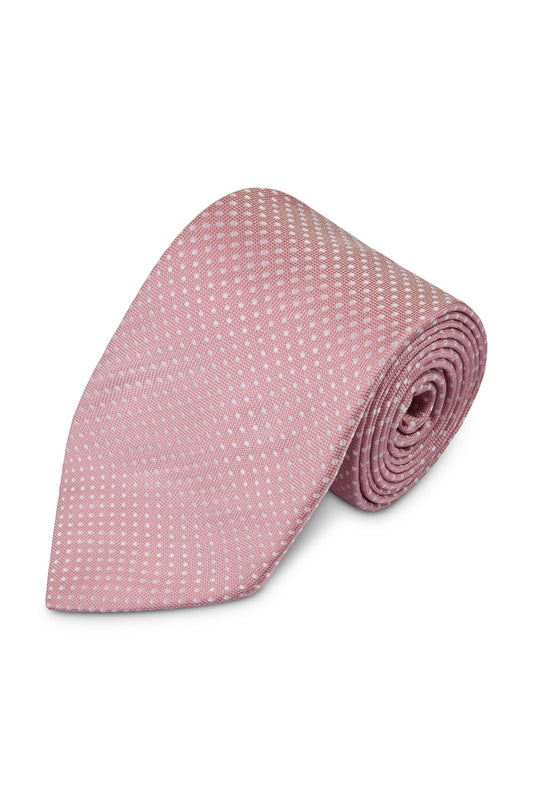
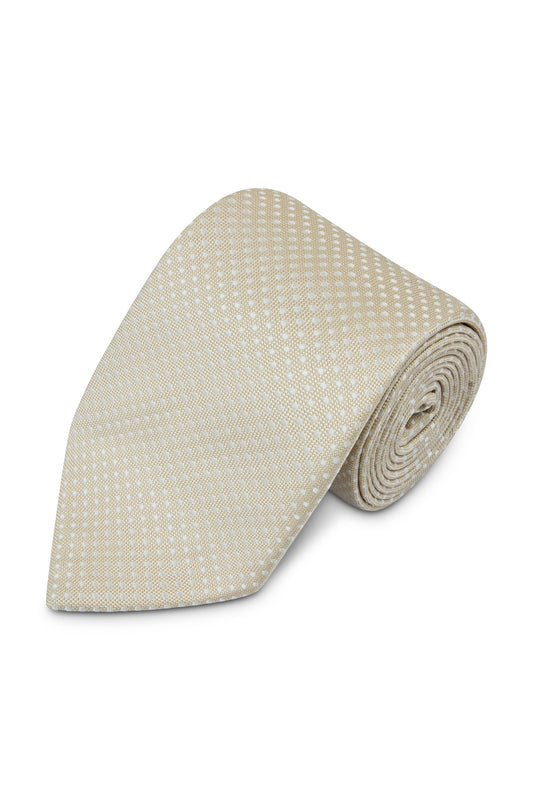
A classic silk or slub-silk necktie remains the most considered choice, tightly knotted, sharp in appearance, and free of excess. Whilst the cravat carries an Edwardian charm, the necktie offers a cleaner, more refined line, sitting naturally within the formalities of morning dress.
A solid grenadine tie in a bright yet conservative colour is particularly well suited, complementing the pastel tones of the waistcoat whilst anchoring the ensemble with quiet authority.
Finishing Touches
No morning ensemble is complete without a top hat, grey felt for weddings and Ascot, black silk for the most ceremonial of occasions.
In matters of accessories, restraint is the defining principle. At Royal Ascot and the most formal of occasions, a family ring, fob watch and chain, or a tie stud are all that is required.Anything further risks undermining the elegance of the ensemble.
A robust knee-length sock in grey or black ribbed cloth is the correct choice, though the late Duke of Devonshire was rather fond of yellow, a detail that added a quietly unexpected note to his morning dress.
The ensemble is completed by a highly polished black cap-toed Oxford, the only shoe that truly does morning dress justice.


